

Dropper Essential Oil Bottle is an important form of cosmetics packaging, and its material and design play an important role in product quality assurance, user experience and brand image building. In the cosmetics industry, Essential Oil Dropper Bottle are often used to contain precious and perishable products such as essence and essential oil, so the choice of packaging materials is particularly important.
The Cosmetic Bottles is one of the common choices for essential oil dropper bottles, and it is widely praised for its excellent barrier properties. Glass effectively blocks the intrusion of light and oxygen, which is critical for essential oil products that are sensitive to light and oxygen. The active ingredient in the essential oil can better maintain its stability and efficacy under the protection of the glass bottle, thus extending the shelf life of the product. The chemical properties of the glass are stable and do not react chemically with essential oils, ensuring the purity of the product. At the same time, glass is a recyclable material, in line with the concept of environmental protection, to meet the modern consumer's concern for sustainable development. However, the glass material also has some disadvantages, such as relatively heavy and easy to break, which to some extent limits its use in some application scenarios, such as portable or travel products.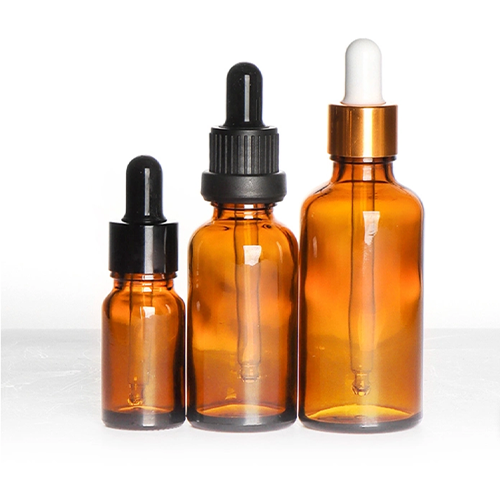
In order to make up for these defects in glass materials, plastic dropper bottles have gradually become another popular choice on the market. Plastic dropper bottles are usually made of materials such as PET or HDPE. These plastic materials have the advantages of lightweight and portable, and are not easy to break. They are especially suitable for travel or products that need to be moved frequently. PET plastic is transparent and can clearly show the color and texture of the product, while HDPE is known for its durability and chemical resistance, which can effectively protect essential oils from the outside environment. Although plastic is not as good as glass in terms of UV protection, it can also be improved to a certain extent through special coatings or designs.
The design of the dropper is also a key part of the essential oil dropper bottle. The dropper mechanism enables precise dose control, which is essential for essential oil products that require precise use. Precise dropper design not only ensures that consumers use the right amount of product each time, avoiding waste, but also maximizes the effectiveness of the product. In addition, the dropper can also prevent the product from direct contact with the outside world, reduce the risk of contamination, and ensure the hygiene and safety of the product. Droppers usually consist of a rubber head, glass or plastic dropper and a plastic cap, a combination of which ensures durability and tightness.
In addition to the material and functional design, the appearance design and decoration of the essential oil dropper bottle are also important factors to enhance the attractiveness of the product. Modern essential oil dropper bottles can be personalized by a variety of surface treatment processes, such as screen printing, sanding, electroplating, color painting, hot stamping, etc. These processes not only add a beautiful appearance to the product, but also enhance brand recognition and added value through unique design elements. For example, screen printing can print exquisite patterns or brand logos on glass bottles, while the sanding process can add a matte texture to glass bottles, making them more high-end and fashionable.
In summary, the material and design selection of essential oil dropper bottles is a comprehensive consideration process. Brands need to choose the most suitable packaging scheme according to the characteristics of the product, the needs of the target customer group and the budget. Whether it is glass or plastic material, as long as it can effectively protect the product, enhance the use experience and enhance the brand image, it is a successful packaging design.
The Cosmetic Bottles is one of the common choices for essential oil dropper bottles, and it is widely praised for its excellent barrier properties. Glass effectively blocks the intrusion of light and oxygen, which is critical for essential oil products that are sensitive to light and oxygen. The active ingredient in the essential oil can better maintain its stability and efficacy under the protection of the glass bottle, thus extending the shelf life of the product. The chemical properties of the glass are stable and do not react chemically with essential oils, ensuring the purity of the product. At the same time, glass is a recyclable material, in line with the concept of environmental protection, to meet the modern consumer's concern for sustainable development. However, the glass material also has some disadvantages, such as relatively heavy and easy to break, which to some extent limits its use in some application scenarios, such as portable or travel products.
In order to make up for these defects in glass materials, plastic dropper bottles have gradually become another popular choice on the market. Plastic dropper bottles are usually made of materials such as PET or HDPE. These plastic materials have the advantages of lightweight and portable, and are not easy to break. They are especially suitable for travel or products that need to be moved frequently. PET plastic is transparent and can clearly show the color and texture of the product, while HDPE is known for its durability and chemical resistance, which can effectively protect essential oils from the outside environment. Although plastic is not as good as glass in terms of UV protection, it can also be improved to a certain extent through special coatings or designs.
The design of the dropper is also a key part of the essential oil dropper bottle. The dropper mechanism enables precise dose control, which is essential for essential oil products that require precise use. Precise dropper design not only ensures that consumers use the right amount of product each time, avoiding waste, but also maximizes the effectiveness of the product. In addition, the dropper can also prevent the product from direct contact with the outside world, reduce the risk of contamination, and ensure the hygiene and safety of the product. Droppers usually consist of a rubber head, glass or plastic dropper and a plastic cap, a combination of which ensures durability and tightness.
In addition to the material and functional design, the appearance design and decoration of the essential oil dropper bottle are also important factors to enhance the attractiveness of the product. Modern essential oil dropper bottles can be personalized by a variety of surface treatment processes, such as screen printing, sanding, electroplating, color painting, hot stamping, etc. These processes not only add a beautiful appearance to the product, but also enhance brand recognition and added value through unique design elements. For example, screen printing can print exquisite patterns or brand logos on glass bottles, while the sanding process can add a matte texture to glass bottles, making them more high-end and fashionable.
In summary, the material and design selection of essential oil dropper bottles is a comprehensive consideration process. Brands need to choose the most suitable packaging scheme according to the characteristics of the product, the needs of the target customer group and the budget. Whether it is glass or plastic material, as long as it can effectively protect the product, enhance the use experience and enhance the brand image, it is a successful packaging design.
